
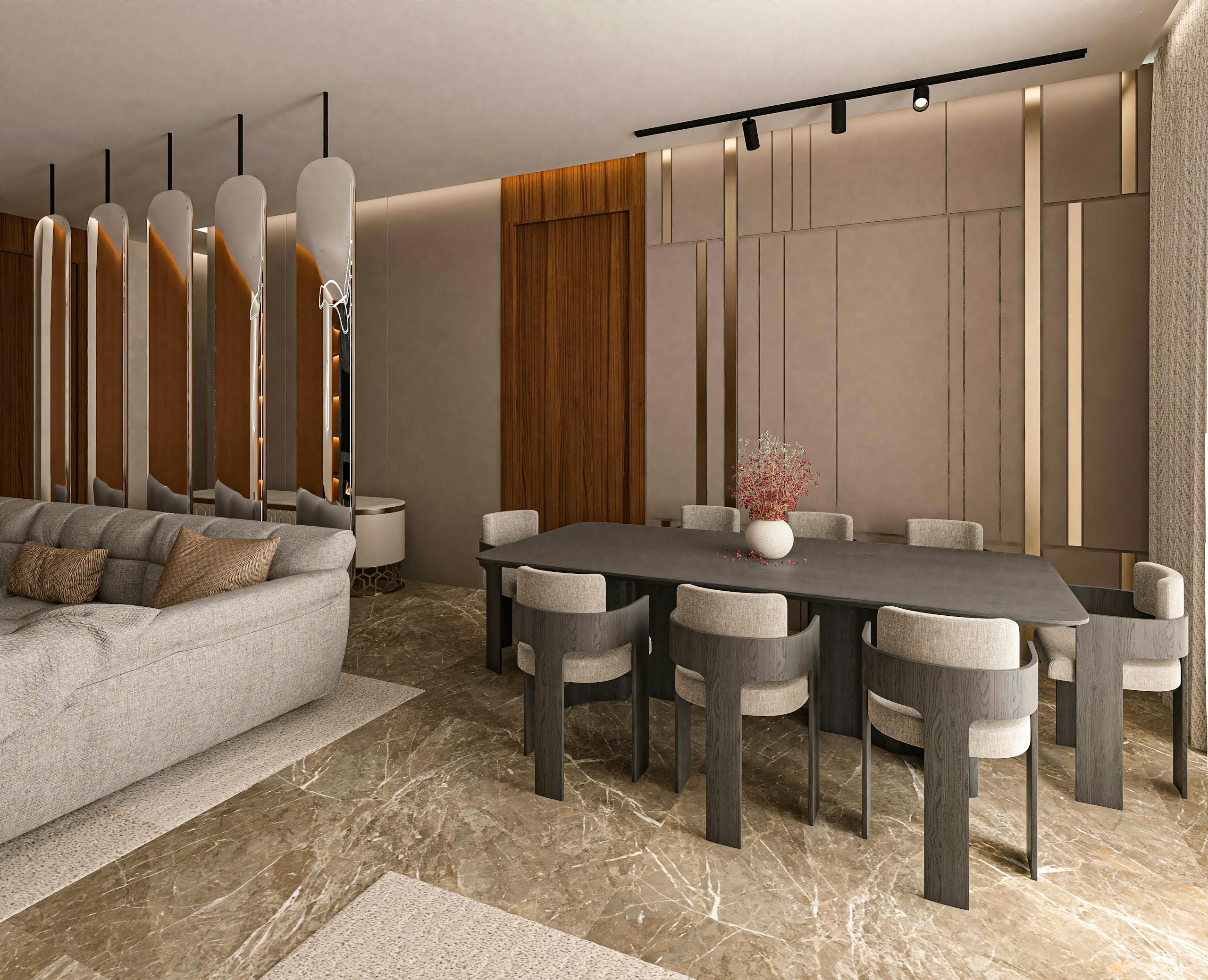
Your home is more than just a place to sleep — it is where life happens. It is where families gather, where memories are created, and where comfort should always exist. While many people focus mainly on furniture or paint colors, interior design goes far beyond decoration. Good interior design transforms a house into a functional, beautiful, and emotionally satisfying space that improves everyday living.
Creates a Comfortable Living Environment
One of the biggest benefits of interior design is comfort. A properly designed home considers lighting, spacing, furniture arrangement, colors, textures, and even airflow. Every detail works together to create a relaxing atmosphere that makes daily life easier and more enjoyable.
For example, a well-designed living room encourages conversation and relaxation, while a thoughtfully planned bedroom promotes better sleep and peace of mind. Interior design helps every room serve its purpose efficiently while still feeling welcoming.
Improves Functionality and Space Usage
Many homeowners struggle with limited space, clutter, or poor room layouts. Interior design helps maximize every area of the home, regardless of size. Professional planning ensures that furniture placement, storage solutions, and room flow all work together effectively.
Small spaces can appear larger, dark rooms can feel brighter, and unused corners can become practical spaces. Through smart design choices, homeowners can enjoy both beauty and functionality without sacrificing comfort.
Increases Property Value
A beautifully designed home often has a higher market value. Buyers are naturally attracted to spaces that feel modern, organized, and visually appealing. Features such as proper lighting, coordinated finishes, stylish kitchens, and attractive interiors can significantly increase a property’s appeal.
Even simple upgrades like better color coordination, modern fixtures, or improved layouts can make a strong impression when selling or renting a home. Interior design is not just an expense — it is an investment that can provide long-term financial benefits.
Reflects Personality and Lifestyle
Every homeowner has unique tastes, habits, and preferences. Interior design allows people to express their personalities through their living spaces. Whether someone prefers a minimalist modern look, a luxurious contemporary feel, or a warm traditional atmosphere, design helps bring those ideas to life.
A personalized home creates emotional connection and satisfaction. It becomes a place that truly feels like “home” rather than just another building.
Enhances Mood and Mental Well-Being
The environment around us has a major impact on our emotions and mental health. Bright spaces with natural light can improve mood and productivity, while organized rooms reduce stress and anxiety. Colors, textures, and layouts all influence how people feel within a space.
Interior design creates balance and harmony that contribute to emotional well-being. A peaceful and visually pleasing home can improve focus, encourage relaxation, and promote healthier living.
Supports Better Organization
A well-designed home naturally supports better organization. Storage systems, shelving, cabinets, and smart layouts help reduce clutter and make daily routines easier. Organized spaces not only look cleaner but also save time and reduce frustration.
Interior designers often incorporate practical storage solutions that maintain beauty while improving functionality. This balance between organization and aesthetics creates a more efficient lifestyle.
Final Thoughts
Interior design is much more than decoration. It improves comfort, increases functionality, enhances emotional well-being, and adds value to your property. A thoughtfully designed home supports your lifestyle while creating an environment that feels both beautiful and practical.
Whether you are building a new home, renovating an existing one, or simply upgrading a room, investing in interior design can completely transform the way you experience your living space.