
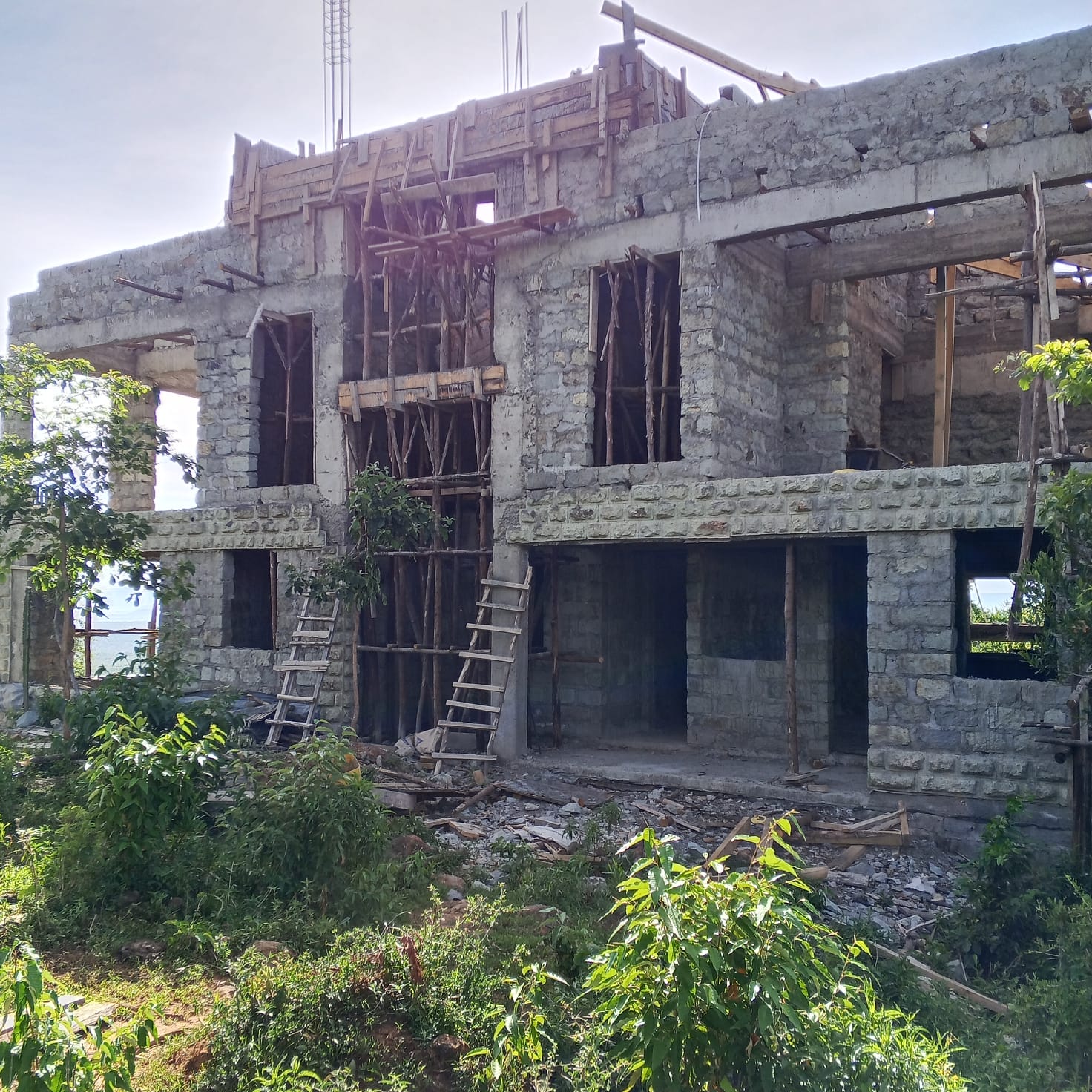
Starting a construction project is exciting, but it can also feel overwhelming if you do not understand the process. Whether you are building a home, renovating an office, or developing a commercial property, every construction project follows a timeline with several important stages. Knowing what to expect helps homeowners and clients prepare properly, make informed decisions, and reduce unnecessary stress throughout the journey.
Initial Planning and Consultation
Every successful construction project begins with planning. During this phase, clients discuss their ideas, goals, budget, and expectations with architects, designers, or contractors. Site visits may also take place to evaluate the land or existing structure.
At this stage, important decisions are made regarding:
- Project scope
- Design preferences
- Budget estimates
- Material choices
- Timeline expectations
This phase lays the foundation for the entire project, making it one of the most critical stages in construction.
Design and Approval Phase
Once planning is complete, architects and designers begin creating drawings, layouts, and technical plans. Clients review these designs and provide feedback before final approval.
Depending on the project type, permits and approvals from local authorities may also be required before construction can begin. This process can sometimes take longer than expected, especially for larger developments.
While this phase may seem slow, careful preparation prevents expensive mistakes during construction.
Site Preparation
Before actual building starts, the construction site must be prepared. This may involve:
- Clearing vegetation
- Demolition of old structures
- Excavation
- Land leveling
- Utility setup
Site preparation ensures the area is safe and ready for foundation work. During this stage, heavy machinery and construction equipment are usually brought onto the site.
Foundation and Structural Work
The foundation is one of the most important parts of any building project. Contractors pour concrete foundations, construct footings, and begin structural framing according to engineering specifications.
Once the structure starts rising, clients begin to see visible progress. Walls, floors, roofing systems, and support beams are installed during this stage.
This phase often takes a significant portion of the overall project timeline because structural integrity must meet safety standards.
Electrical, Plumbing, and Mechanical Installations
After the main structure is complete, technicians install electrical wiring, plumbing systems, ventilation, and other essential services. These systems are usually hidden behind walls and ceilings, making precision extremely important.
Inspections may also be conducted to ensure everything complies with safety and construction regulations before proceeding to the finishing stage.
Interior and Exterior Finishing
This stage brings the project to life visually. Interior finishes may include:
- Painting
- Flooring
- Ceiling installation
- Cabinet fitting
- Lighting fixtures
- Interior décor
Exterior work may involve landscaping, paving, fencing, and exterior painting.
Clients usually become more involved during this phase because final design details and finishing touches are selected.
Final Inspection and Handover
Before the project is officially completed, final inspections are conducted to identify any defects or unfinished work. Contractors may create a “snag list” of items requiring correction before handover.
Once everything is approved, the client receives the completed project. Depending on the agreement, warranties, maintenance instructions, and project documentation may also be provided.
Delays Can Happen
Although construction timelines are carefully planned, delays are sometimes unavoidable. Common causes include:
- Weather conditions
- Material shortages
- Permit delays
- Design changes
- Labor challenges
Good communication between clients and contractors helps manage expectations when unexpected issues arise.
Conclusion
Understanding a construction project timeline helps clients feel more confident throughout the building process. From planning and approvals to construction and final handover, every phase plays an important role in achieving a successful outcome.
Patience, preparation, and proper communication are key to ensuring the project runs as smoothly as possible while delivering high-quality results.